Cat Observatories Built for Geelong
Cabinetry For Cats designs and builds custom cat observatories for homes across Geelong, the Bellarine Peninsula, and the Surf Coast, with every piece crafted by founder Matt Ball using premium materials and 18+ years of architectural joinery experience.
Taking new consultations — Monday to Friday, 9:00 AM to 5:00 PM.
Most Cat Furniture Was Never Designed for Your Home
Off-the-shelf cat trees and modular climbing units are designed to hold cats — not to belong in a home. They interrupt the visual flow of a room, conflict with existing joinery, and become fixtures that owners work around rather than with. A piece that looks out of place in a considered interior is not a solution; it's a compromise that never fully disappears into the background.
For a homeowner who has invested in their interior — the flooring, the cabinetry, the palette — standard cat furniture reads as an afterthought. Cats climb and scratch regardless, which means the question isn't whether to provide them a structure. It's whether that structure belongs in the room or fights it. That's the problem Cabinetry For Cats was built to solve.
What a Cabinetry For Cats Observatory Actually Is
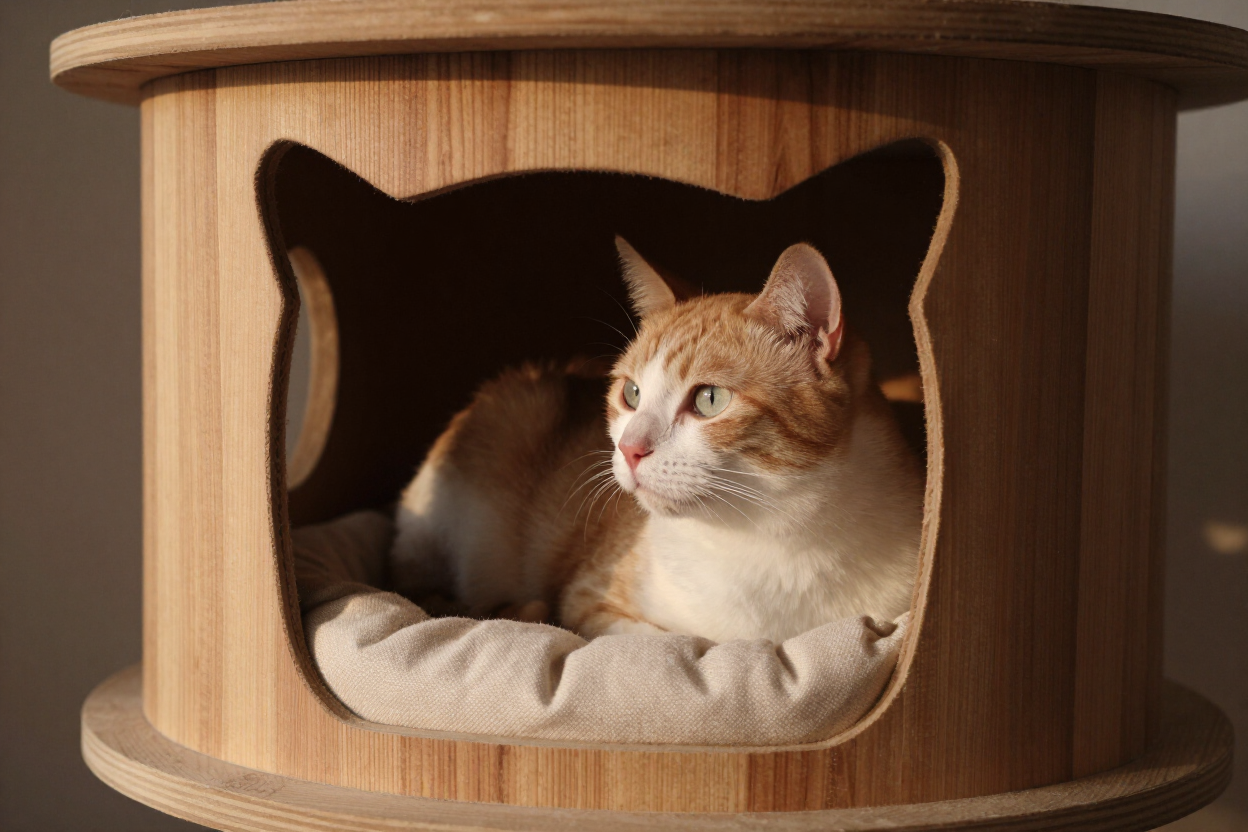
A Cabinetry For Cats cat observatory is a purpose-built structure — floor-to-ceiling or wall-mounted — designed around your cat's instinct to climb, survey, and rest at elevation. It incorporates multiple platforms at varying heights, viewing windows that frame the cat within the room rather than hiding them away, and built-in perches finished in materials that complement the surrounding joinery. Every observatory is custom-designed to the ceiling height, wall configuration, and interior palette of the specific room it goes into.
The result is not recognisable as pet furniture to someone walking into the room for the first time. It reads as a piece of joinery that belongs there — because it was designed that way from the outset. Your cat gets an enriched, elevated living environment. Your home keeps its visual integrity. Learn more about our custom cat cabinetry services to see the full range of what we design and build.
How Every Observatory Gets Designed and Built
1. Design Consultation
The process begins with Matt visiting your home. He reviews the room, the wall and floor space available, your existing joinery and interior palette, and how your cat currently moves through the space. This is where the brief takes shape not from a catalogue, but from what he sees in front of him.
2. Custom Design Brief
From the site visit, Matt develops a design brief specific to your space. Dimensions, structural requirements, viewing window placement, platform configuration, and finish direction are all resolved at this stage — before a single piece of material is ordered. Changes are far easier here than during fabrication.
3. Material Selection
Matt presents premium material options suited to the design brief — timber species, painted finishes, upholstery for platforms, hardware details. Every choice is made with the surrounding interior in mind. The goal is integration, not contrast. See the materials section below for a fuller overview of what's available.
4. Fabrication
The observatory is fabricated in the Marshall workshop using joinery techniques drawn from architectural practice. Tolerances are tight, joints are clean, and every surface that a cat touches is finished to a standard that holds up to daily use. This is not furniture assembled from components — it is built as a single resolved piece.
5. Installation
Installation is carried out by Matt directly. Structural fixing into walls and floor is handled with the precision required for a piece that a cat will load with their full weight every day. On completion, the observatory is inspected against the design brief before the project is signed off.
Materials Built to Last in a Living Space
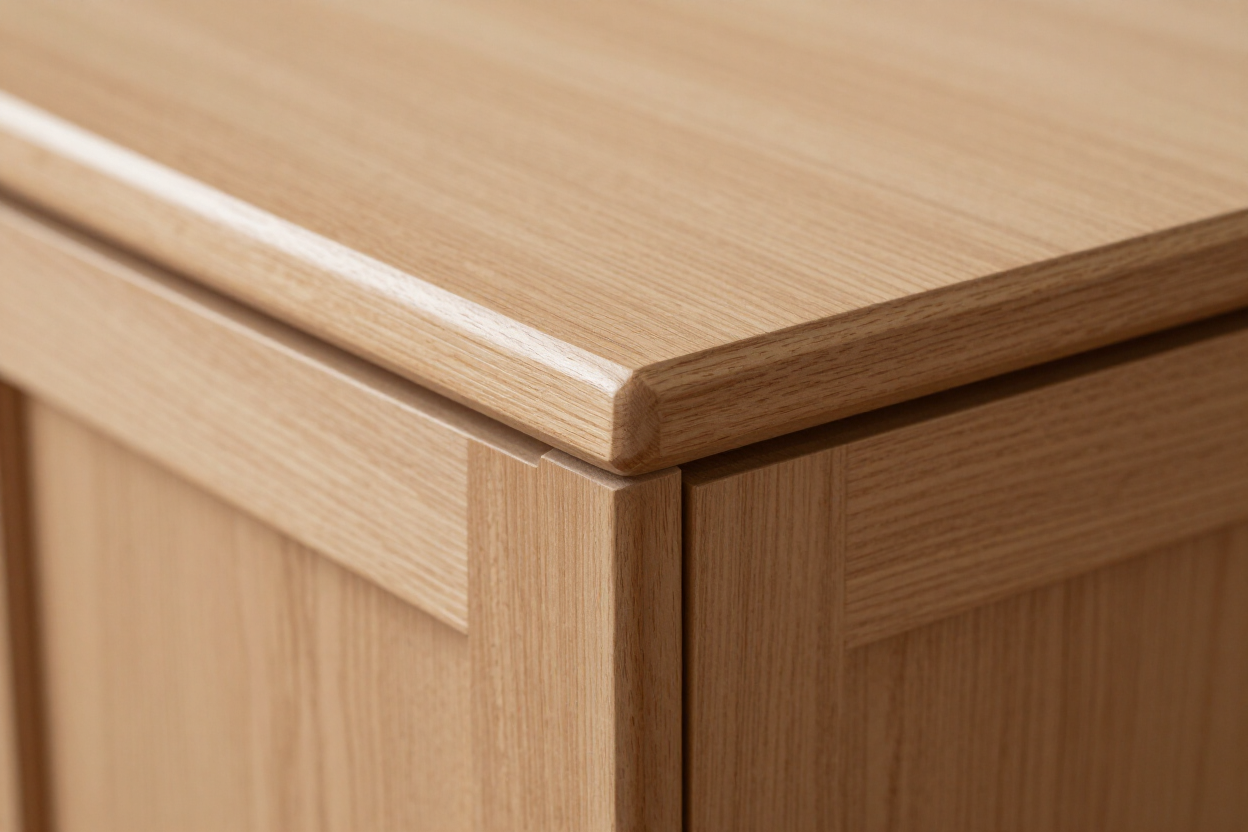
Every observatory Cabinetry For Cats builds uses materials specified for residential joinery — not pet furniture. Structural timber and sheet goods are selected for stability and machinability. Painted finishes are two-pack polyurethane applied in the same specification used for kitchen cabinetry, which means they hold up to scratching, cleaning, and daily contact without showing wear within the first year of use.
Platform surfaces are upholstered in durable, cleanable fabrics chosen to complement the observatory's finish direction. Hardware — hinges, latches, and access panel fittings is specified from architectural joinery suppliers, not pet product ranges. The distinction matters: architectural hardware is rated for the load cycles and tolerances a fixed joinery piece demands, not for the lighter-duty use a pet product expects.
Finish options include natural timber in a range of species and stains, two-pack painted finish in any colour from the interior paint range, and combination treatments where different zones of the observatory carry different finishes to reflect the room's palette. This investment holds its value in the home because it is built, specified, and finished to the same standard as any other fixed joinery in the room. To get started, book a cat cabinetry consultation and we'll walk through your options in detail.
Questions About Cat Observatories
What is a cat observatory and how is it different from a cat tree?
A cat observatory is purpose-built joinery — floor-to-ceiling or wall-mounted — designed as a fixed element of the room rather than a moveable piece of pet furniture. Unlike a cat tree, it integrates with the existing interior through matched materials and finishes, and is structurally fixed rather than freestanding. It is designed to stay.
Can a cat observatory be designed to match my existing cabinetry?
Yes — this is central to how Cabinetry For Cats works. Matt reviews your existing joinery, finish palette, and hardware details during the initial consultation, and the observatory is specified to match. Timber species, paint colour, and hardware can all be aligned with your existing cabinetry to make the piece read as part of the room.
How much wall space does a cat observatory require?
Every observatory is custom-designed to the available space, so there is no fixed minimum. Matt works with what the room provides — a single wall bay, a corner run, or a full wall elevation — and designs the structure to suit it. The consultation is where wall dimensions, ceiling height, and structural fixing points are assessed.
Are cat observatories suitable for rental properties or apartments?
Cat observatories are structurally fixed joinery, which means they require wall and ceiling fixings. They are best suited to owner-occupied properties where permanent installation is permitted. If you are renting or require a freestanding solution, raise this during the consultation and Matt will advise on the options available.
How long does it take to design and install a cat observatory in Geelong?
Timelines vary with project complexity, but most Geelong commissions move from initial consultation to installation within six to ten weeks. The consultation and design brief phase takes one to two weeks. Fabrication follows. Matt will give you a realistic timeline at the design brief stage once the full scope is confirmed.
Start Your Cat Observatory Design
Every project begins with a site visit. Matt reviews your space, your existing interior, and your cat's habits before a single design decision is made. That first conversation is where the best results begin. Cabinetry For Cats serves Geelong, the Bellarine Peninsula, the Surf Coast, and surrounding Victoria with the workshop at Marshall, VIC 3216 putting us within easy reach of most of the region. To get started, contact us on 0449 972 706 or at matt@cabinetryforcats.com.au. Consultations are available Monday to Friday, 9:00 AM to 5:00 PM.